- Home
- Events & Activities
- Humanising Work and Work Environment
About HWWE 2026
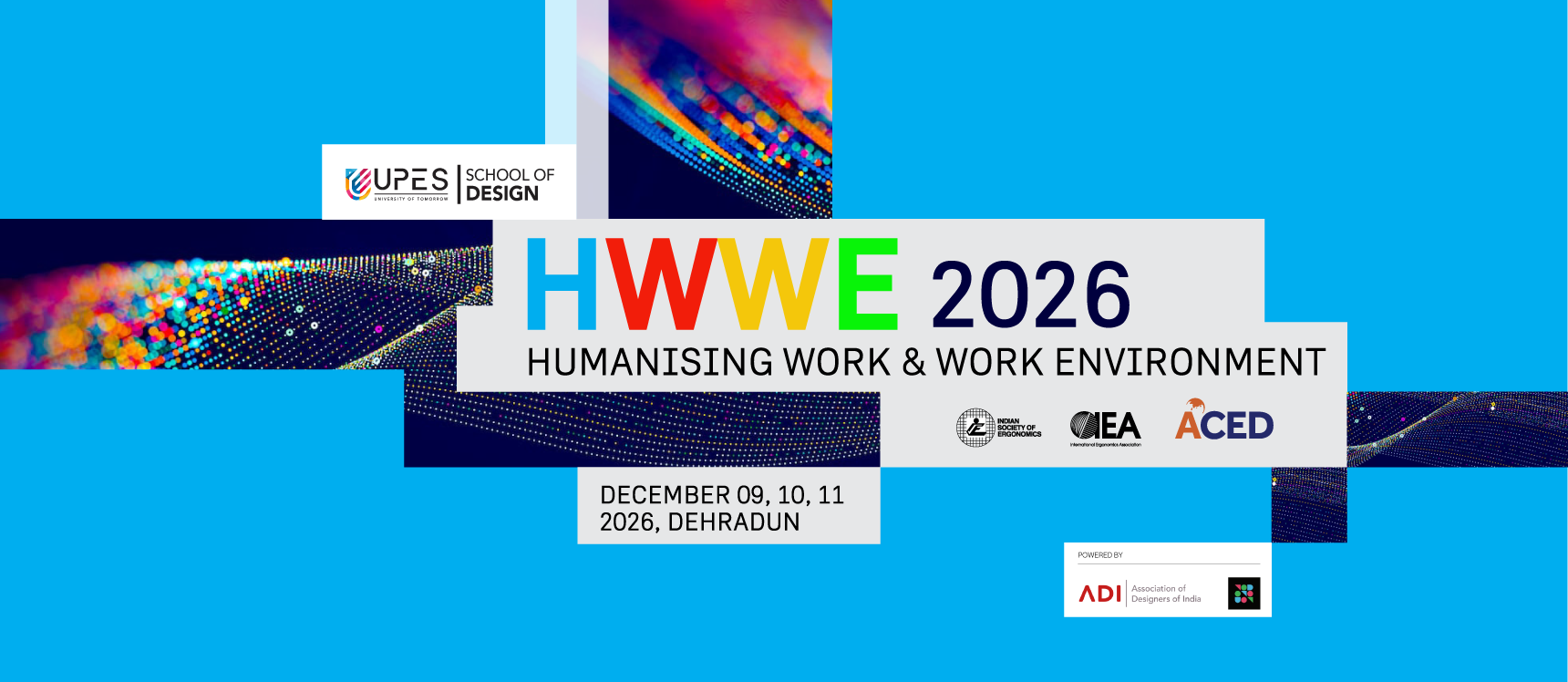
Humanising Work and Work Environment 2026 (HWWE 2026) is a research conference hosted by UPES School of Design, Dehradun, from 09–11 December 2026.
HWWE 2026 brings together researchers, practitioners, and thinkers to explore how design can create more meaningful, inclusive, and future-ready work environments. The conference is based on the belief that design connects different domains by integrating diverse perspectives, aligning systems with human experience, and transforming knowledge into practical, real-world impact.
Today, work and human environments are being reshaped by rapid technological growth, social change, and ecological challenges. Addressing these complex issues requires collaboration, systems thinking, and a strong understanding of human contexts. HWWE 2026 provides a platform for interdisciplinary dialogue and applied research to respond to these evolving needs.
Core Theme: Convergence
The 2026 theme, Convergence, reflects the evolving role of design in an interconnected world. Design no longer works within fixed disciplinary boundaries or aesthetic spaces alone. It now operates at the intersection of art and engineering, humanities and technology, creativity and systems, and intuition and evidence.
Convergence views design as a space where different ways of thinking, creating, and understanding come together to address complex real-world challenges. Meaningful innovation emerges when artists collaborate with engineers, designers engage with social scientists, technologists learn from cultural insights, and human values guide technological progress.
By focusing on Convergence, HWWE 2026 positions design as a unifying force that bridges silos, encourages cross-disciplinary research, and helps shape human-centered futures.
Key Objectives
- Advance design-led research on humane, AI–HI enabled work systems that improve performance while preserving dignity, safety, and wellbeing.
- Enable transdisciplinary dialogue across academia, industry, and policy to address complex challenges in formal, informal, and emerging work contexts.
- Develop actionable frameworks that integrate ergonomics, health, organizational culture, digital transformation, and climate responsiveness.
- Showcase evidence-based interventions and case studies with measurable impact across workplaces, communities, and industries.
- Strengthen global research networks through workshops, special sessions, and sustained scholarly exchange.
HWWE 2026 Conference Overview
HWWE 2026 invites original research papers, case studies, conceptual papers, and practice-based research aligned with the conference tracks and micro-tracks. All submissions will undergo a peer review process conducted by the Scientific and Program Committee.
- AI–HI Collaboration and Cognitive Work Systems
- Design for Informal and Micro-Enterprise Economies
- Health and Occupational Ergonomics
- The Built Environment
- Transdisciplinary Organisational Cultures
- Climate Narratives and Socio-Behavioural Transitions
HWWE 2026 will feature a mix of scholarly and community-building formats designed to strengthen research quality and collaboration:
- Keynotes and Distinguished Talks (research + industry)
- Parallel Paper Sessions across tracks
- Special Sessions / Panels (emerging themes, cross-track debates)
- Workshops (methods, tools, field practices, design–research integration)
- Networking & Research Collaboration Hours (cross-theme matchmaking)
- Showcase Formats (posters / demonstrations / work-in-progress, if enabled)
Conference Dates: 09–11 December 2026
Venue: UPES School of Design, Dehradun
Program Format (Tentative)
- Day 1: Inaugural Session, Keynote Address, Track Sessions, Networking Dinner
- Day 2: Parallel Paper Sessions, Panels and Special Sessions, Workshops
- Day 3: Paper Sessions, Industry Dialogues, Closing Session, Next Steps Forum
A detailed program schedule will be released following acceptance decisions and confirmation of sessions.
Research Tracks
Scope
This track examines how AI reshapes cognition, decision-making, and task allocation in workplaces. It invites research on human–AI teaming, AI for UX, Digital Interactive Systems, trust, accountability, and the design of socio-technical systems that enhance performance without eroding agency, dignity, or wellbeing.
Micro Track 1
Human–AI teaming across sectors (healthcare, finance, education, government, manufacturing, creative, entertainment).
Micro Track 2
AI-enabled work design & job redesign (task allocation, roles, skills, new job archetypes).
Micro Track 3
Human factors in AI (usability, mental models, cognitive load, errors, decision quality).
Micro Track 4
Trust, governance & responsible AI (bias, accountability, audits, compliance, policy).
Micro Track 5
AI for frontline & high-stakes work (safety-critical, clinical, crisis response, operations).
Scope
Focused on informal work, craft ecosystems, MSMEs, and micro-enterprises, this track explores how design can improve productivity, livelihoods, safety, and market access. It welcomes research grounded in field methods, frugal innovation, and scalable interventions across diverse local economies.
Micro Track 1
Informal work systems & workforce wellbeing (safety, dignity, tools, workflow redesign).
Micro Track 2
MSMEs & productivity innovation (process, quality, packaging, standardization).
Micro Track 3
Digital enablement for micro-enterprises (platforms, payments, discoverability, trust).
Micro Track 4
Value chains & market access (branding, distribution, logistics, export readiness).
Micro Track 5
Policy, finance & institutional models (credit, insurance, skilling, clusters, PPPs).
Scope
This track investigates experiences of work through the lenses of physiology, ergonomics, health, and workplace design. It seeks evidence-based research addressing safety, comfort, inclusion, and equitable work systems across formal and informal environments.
Micro Track 1
Inclusive ergonomics across industries (factory, hospital, campus, office, retail, fieldwork).
Micro Track 2
Women’s Occupational Health Across Life Stages (fatigue, shift work, PPE fit, sanitation access, risk exposure, menstruation, pregnancy, menopause, chronic conditions, recovery and return-to-work).
Micro Track 3
Psychosocial Health, Stress, and Burnout in Work Systems (workload, time pressure, emotional labor, harassment and psychological safety, burnout prevention, mental wellbeing interventions, supportive work design).
Micro Track 4
Equitable work systems & policies (facilities, mobility, caregiving, safe transport, prevention systems).
Micro Track 5
Gender, technology & work (women in tech/design, digital labor, AI bias impacts, future jobs).
Scope
This track addresses infrastructure under stress—extreme climates, industrial risk, energy constraints, and rapid urban/industrial transitions. It invites research on safer factories, resilient buildings, and work environments designed for sustainability and human wellbeing.
Micro Track 1
Safe work environments by design (industrial, healthcare, campus, retail, public spaces).
Micro Track 2
Extreme environments & climate-adaptive workplaces (heat, cold, flood, disaster resilience).
Micro Track 3
Energy-smart workspaces (efficiency, renewables, smart buildings, transitions).
Micro Track 4
Infrastructure for new work models (hybrid offices, co-working, distributed hubs, gig spaces).
Micro Track 5
Healthy buildings & performance (air quality, acoustics, lighting, thermal comfort, biophilia).
Scope
This track explores how design operates as a change capability—shaping culture, leadership, collaboration, and governance. It welcomes research on design methods applied across disciplines to build humane, adaptive, and learning-oriented organizations.
Micro Track 1
Design as organizational capability (design maturity, design ops, collaboration, metrics).
Micro Track 2
Culture transformation & behavioral change (trust, motivation, conflict, inclusion).
Micro Track 3
Service design for employee experience (EX) (onboarding, retention, wellbeing, HR systems).
Micro Track 4
Governance, strategy & policy design (operating models, decision systems, participation).
Micro Track 5
Innovation ecosystems & adoption (labs, intrapreneurship, scaling pilots, change comms).
Scope
This track examines how stories, media, and meaning-making shape climate perception, workplace behavior, and collective action. It invites research on narrative strategies that enable transitions—individual, organizational, and societal—toward sustainable futures.
Micro Track 1
Narratives shaping climate behavior (communication, nudges, community, organizational behavior).
Micro Track 2
Climate transitions in industries (construction, fashion, mobility, food, technology, energy).
Micro Track 3
Storytelling media for climate futures (film, design fiction, games, XR, data narratives).
Micro Track 4
Climate emotions & psychosocial dimensions (anxiety, hope, resilience, workplace wellbeing).
Micro Track 5
Just transitions & livelihood futures (equity, informal sector impacts, skilling, migration).
Important Dates
Regular Track
| Event | Date |
|---|---|
| Submission Portal Opens | 20/02/2026 |
| Abstract Submission Deadline | 10/04/2026 |
| Abstract Acceptance Notification | 25/04/2026 |
| Full Paper Submission Start | 25/04/2026 |
| Deadline for Full Paper Submission | 25/06/2026 |
| Full Paper Acceptance Notification Start | 25/08/2026 |
| Final Camera-Ready Papers Submission | 20/09/2026 |
Poster Track
| Event | Date |
|---|---|
| Poster Submission Date | 10/04/2026 |
| Poster Acceptance Notification Date | 10/05/2026 |
Committee

Dr. Ram Sharma
Patron
Dr Sunil Rai
Chair
Dr. Jayasankar Elassery Variyar
Co-Chair

Prof. Bhaskar Bhatt
Convenor

Dr. Samrat Dev
Organising Secretary

Dr. Bappa Das
Treasurer

Dr. Naveen Kumar
Scientific Committee
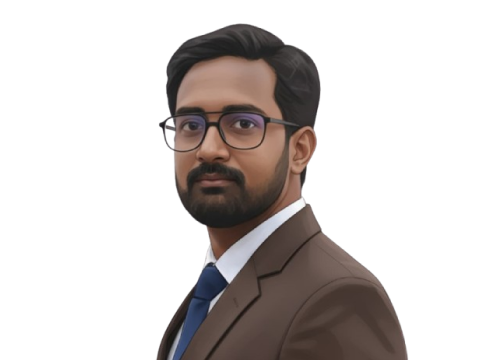
Dr. Abhishek Kumar
Publication - Chair

Prof. Vikas Thapa
Publication - Co Chair
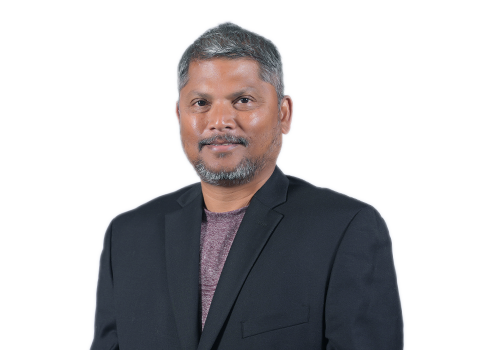
Prof. Pritharshv Pushkar
Chair, Branding & Outreach

Prof. Debabrota Das
Chair, Conference Strategy & Thought Leadership
Registration Details
| Registration | Indian Delegates (INR) | Foreign Delegates (USD) | ||||
|---|---|---|---|---|---|---|
| Early Bird - 30 April 2026 | Aug 2026 | Spot Registration - Dec 2026 | Early Bird - 30 April 2026 | Aug 2026 | Spot Registration - Dec 2026 | |
| Delegates - Academia | 7000 | 9000 | 11000 | $350 | $400 | $500 |
| Delegates - Industry | 9000 | 11000 | 14000 | $400 | $450 | $500 |
| ISE Members | 6000 | 8000 | 10000 | - | - | - |
| Students (UG, PG, PhD Scholars) | 1500 | 2500 | 3500 | $150 | $200 | $250 |
| Accompanying Person | Indian National: ₹5000 | Foreign National: $300 | ||||
HWWE 2026 Payment Details
For International Participants
| Details | Information |
|---|---|
| Beneficiary Name | UPES |
| Purpose | HWWE26 CONFERENCE |
| Bank Name | Yes Bank |
| Bank Account | SB - 011594600000224 |
| Branch Code | 000115 |
| Branch IFSC Code | YESB0000115 |
| Swift Code | YESBINBB |
| Branch Name | Ground Floor, 56, Rajpur Road, Dehradun |
For Domestic Participants
| Details | Information |
|---|---|
| Beneficiary Name | HWWE CONFERENCE |
| Account Number | UPESUK877777859 |
| IFSC Number | YESB0CMSNOC |
| Bank Name | Yes Bank Ltd. |
| Address | IFC 8TH FLOOR SB MARG MUMBAI |
Please note that 18% GST is applicable on all participants except UPES participants.
If international participants attend the conference online from their country, then no GST is applicable.
Frequently Asked Questions
- Submission portal opens: 20 February 2026
- Abstract submission deadline: 10 April 2026
- Abstract acceptance notification: 25 April 2026
- Full paper submission opens: 25 April 2026
- Deadline for full paper submission: 25 June 2026
- Full paper acceptance notifications begin: 25 August 2026
- Final camera-ready paper submission: 20 September 2026
Hosted By: School of Design, UPES Dehradun
For submissions, partnerships, sessions, and conference-related queries:
Email: hwwe2026@upes.ac.in


