Mass Communication Colleges in Dehradun: Eligibility, Admission Process, Rankings, Courses Offered
- UPES Editorial Team
- Published 28/01/2026


- Understanding Mass Communication: Courses Offered in Dehradun
- 1. Bachelor of Arts (B.A.) in Journalism and Mass Communication (BA-JMC)
- 2. Bachelor of Mass Media (BMM) or Equivalent
- Mass Communication Government Colleges in Dehradun
- Mass Communication and Media Colleges in Dehradun Fees
- Admission Process, Eligibility, and Entrance Exams
- Key Factors for Ranking and Selection
- Career Scope and Potential Salary after Mass Communication
Are you someone who is fascinated by the power of media? Does your heart get racing whether it’s the thrill of breaking news, the creativity of filmmaking, the strategy of advertising, or the reach of digital content? If so, a career in Mass Communication is perfect for you.
Choosing the right launchpad for this dynamic career path is crucial. Dehradun, with its excellent education ecosystem and growing media landscape, has become a top choice for aspiring media professionals. Finding the best mass communication colleges in Dehradun, however, requires careful research on course structure, faculty, and industry exposure.
This comprehensive guide will walk you through everything you need to know: the degrees available, the detailed admission process, the fee structures, and how to select a college that will truly prepare you for the fast-paced world of media and communication.
Become future-ready with our Liberal Studies programs
Know MoreUnderstanding Mass Communication: Courses Offered in Dehradun
Mass Communication is a broad field encompassing various methods of delivering information to large audiences through diverse media platforms. In Dehradun, undergraduate studies in this area are generally structured around two primary programs:
1. Bachelor of Arts (B.A.) in Journalism and Mass Communication (BA-JMC)
This is the most common undergraduate degree. It provides a broad foundation across all facets of media. If you want a balance of campus life, academic focus and reasonable cost of living, Dehradun is a solid choice.
| Aspect | Details |
| Duration | 3 Years (6 Semesters) |
| Focus | Theory and practice of Journalism, Public Relations (PR), Advertising, and Media Production. |
| Eligibility | Passed 10+2 from any recognised board/stream (Arts, Science, Commerce). Minimum aggregate marks typically range from 45% to 50%. |
| Key Subjects | Reporting and Editing, Media Ethics, Introduction to Communication, Advertising, PR, and Basic Photography/Videography. |
2. Bachelor of Mass Media (BMM) or Equivalent
Some colleges, like Graphic Era Hill University and Uttaranchal University, offer courses titled BMM or specialised B.A. programs, which often include a heavier focus on media production and digital technologies.
Key Disciplines within Mass Communication
The degree aims to create versatile professionals by training students in various domains:
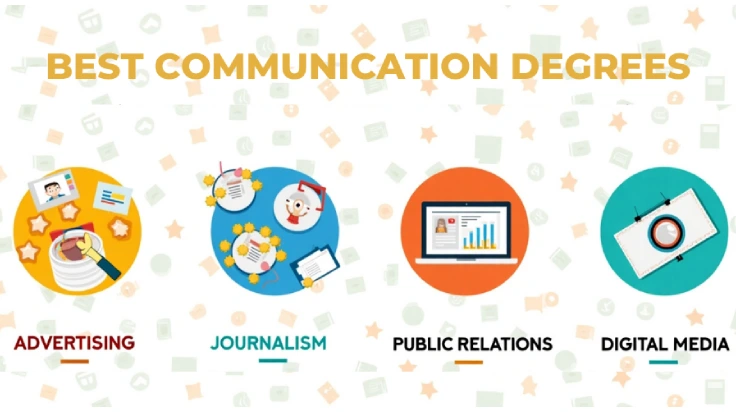
• Journalism: Print, Broadcast (TV/Radio), Podcasting, and Digital Reporting.
• Advertising: Creative strategy, copywriting, media planning, and campaign execution.
• Public Relations (PR): Corporate communications, reputation management, and brand strategy.
• Film & TV Production: Scriptwriting, direction, editing, and cinematography.
• Digital Media: Social Media Marketing, SEO, Content Creation, and Web Journalism.
Mass Communication Government Colleges in Dehradun
While Dehradun is known for its excellent private universities, the government sector also offers high-quality, highly affordable courses, often affiliated with state or central universities. These institutions are ideal for students who prioritise academic rigour and budget-friendly education.
| College Name | Ownership Type | Course Offered (UG) | Approximate Annual Fees (INR) | Key Affiliation |
| Doon University | State Government | BA/MA Media & Communication Studies | Affordable | Doon University |
| D.A.V. (P.G.) College | Government-Aided/Private | BJMC (Bachelor of Journalism & Mass Comm.) | Affordable | Sri Dev Suman Uttarakhand University |
| Veer Shaheed Kesari Chand Rajkiya Snatkottar Mahavidyalaya | State Government | Mass Communication courses (often PG/Diploma) | Affordable | State University |
Advantages of Choosing a Government College
- Affordability: The fees are significantly lower, making quality education accessible to a wider section of society.
- Faculty Quality: Often boasts highly experienced and dedicated faculty members who focus on strong theoretical foundations.
- Accreditation: Degrees are backed by state or central universities, carrying strong value in the job market and for higher studies.
- Consideration: While affordable, government institutions might sometimes lag behind top private universities in terms of state-of-the-art digital media labs, highly specialised equipment, and fast-track corporate placements.
Mass Communication and Media Colleges in Dehradun Fees
The fee structure for mass communication colleges in Dehradun varies dramatically based on the college's reputation, infrastructure, private vs. government status, and the specialisation offered.
Comparative Fee Structure (3-Year UG Program)
| College/University | Ownership | Estimated Total Tuition Fees (INR) |
| UPES Dehradun | Private University | ₹7 Lakhs - ₹8 Lakhs |
| Graphic Era Hill University (GEHU) | Private University | Check Official Website |
| Uttaranchal University | Private University | Check Official Website |
| IMS Unison University | Private University | Check Official Website |
| DBS Global University | Private College/University | Check Official Website |
| Doon University | State Government | Check Official Website |
Note: Fees are approximations for the entire 3-year undergraduate course (BA-JMC/BMM) and are subject to change. Always check the official website for the latest fee schedule, scholarships, and hostel charges.
Read More: Top BA Specializations for Students in 2025
What Drives the Cost Difference?
The higher fees in top private universities often reflect investment in:
- Advanced Infrastructure: Professional-grade TV studios, chroma rooms, editing suites, radio labs, and dedicated digital media labs.
- Industry-Expert Faculty: Hiring professors and practitioners with rich experience in active media houses, production, and advertising firms.
- Global Exposure: Opportunities for student exchange programs, foreign faculty sessions, and international collaborations.
- Dedicated Placement Cells: A strong focus on high-end placements and industry-specific training (e.g., resume building, portfolio creation, and mock interviews).
The Digital Edge: Specialisations and Career Outcomes
In today's media world, a general degree is no longer enough. The demand is for Digital-First professionals who can seamlessly transition between traditional media and new-age platforms. When evaluating mass communication colleges in Dehradun, look for programs that offer relevant specialisations.
Program Focus: The UPES Advantage
The B.A. in Journalism and Mass Communication (Digital) and B.A. in Digital and Mass Media (Broadcasting) offered by the UPES School of Liberal Studies and Media exemplify this digital-first approach.
Instead of a generic degree, both programs offer specialised tracks that align directly with high-demand job roles:
1. Social Media and Search Engine Optimisation (SEO)
- What you learn: Creating viral content, running successful social media campaigns, and mastering search engine algorithms (SEO) to ensure content reaches the right audience.
- Career Roles: Social Media Manager, SEO Specialist, Digital Marketing Strategist.
2. Data, Analytics, and Visualisation
- What you learn: Using data to understand audience behaviour, measure campaign effectiveness, and present complex information through compelling visual stories.
- Career Roles: Data Journalist, Media Analyst, Communication Strategist.
3. Digital Publishing / Website Management
- What you learn: The technical and editorial skills needed to manage large-scale online publications, including CMS (Content Management Systems) and web design basics.
- Career Roles: Digital Editor, Web Content Manager, Online Publisher.
Why Specialisation Matters for Placements
Specialised graduates are often preferred by recruiters because they require less on-the-job training. Colleges with strong industry ties, like UPES, report placements in top media houses such as Times of India, Hindustan Times, News 18, NDTV, and various digital startups. Graduates are frequently hired for roles that start with lucrative packages for high-skill digital positions.
Don't settle for a traditional degree. Explore the digital-first specialisations at UPES Dehradun to equip yourself with the future-ready skills that employers are actively seeking in the media industry.
Admission Process, Eligibility, and Entrance Exams
The admission process for mass communication colleges in Dehradun follows a relatively standard pattern, though private universities usually have a more competitive selection process.
General Eligibility Criteria
| Criteria | Undergraduate (BA/BJMC/BMM) | Postgraduate (MA/MJMC) |
| Educational Qualification | 10+2 from a recognised board (any stream) | Bachelor's Degree in any stream from a recognised university |
| Minimum Marks | Typically 45% to 50% aggregate in 10+2 | Typically 40% to 50% aggregate in Graduation |
| Age Limit | Generally none, but check specific college guidelines | Generally none |
Admission Pathways
Most premier institutions use a combination of the following methods for admission:
- Direct Merit-Based Admission: Based purely on the candidate's Class 12 percentage. This is common in government-affiliated colleges.
- University Entrance Exam: Top private universities often conduct their own test to assess general aptitude, English proficiency, and media awareness. Examples include UPESEAT, CUET (Central University Entrance Test for some colleges), or specific university tests.
- Personal Interview (PI) & Portfolio: For creative fields like media, many universities conduct a mandatory PI to assess the candidate’s communication skills, confidence, interest in media, and general knowledge. Some may also ask for a basic creative portfolio (e.g., photos, videos, or written articles).
Admission Checklist and Timeline
| Month/Period | Activity | Importance |
| January – April | Fill out university application forms (especially for private universities). | High |
| May – June | Appear for university entrance exams (if applicable). | Crucial |
| June – July | Personal Interview (PI) rounds commence after 12th results are out. | High |
| July – August | Fee payment and final admission confirmation. | Final Step |
Key Factors for Ranking and Selection
While formal NIRF or India Today rankings specific to Mass Communication in Dehradun can be scarce, you must evaluate colleges based on practical metrics that directly impact your career.
4 Pillars of a Top Media College
| Pillar | What to Look For | Why it Matters |
| Infrastructure | Fully-equipped TV studios, editing labs (Adobe Premiere, FCP), high-end cameras, and a dedicated Radio/Podcast studio. | Hands-on practice is non-negotiable in media. Outdated equipment limits real-world readiness. |
| Faculty & Mentors | Faculty who have worked in media houses, production companies, or corporate communication roles. | They bring industry trends, networking opportunities, and practical know-how into the classroom. |
| Industry Exposure | Mandatory internships, live projects, student media bodies (newspaper, web channel), and guest lectures from practicing journalists. | This builds your professional portfolio, which is the key to media placements. |
| Alumni Network | Successful alumni working in major media and corporate communication companies. | A strong alumni base provides mentorship, networking, and placement referrals. |
Case Study: Media Exposure
A good college will ensure you handle real production processes. For instance, colleges with digital media programs often require students to launch and manage a fully functional podcast or YouTube channel as a core project, teaching them content creation, social media journalism, branding, monetisation, and distribution simultaneously.
Career Scope and Potential Salary after Mass Communication
A degree in Mass Communication from a reputable Dehradun college opens doors to multiple high-growth, creative, and strategic sectors.
Popular Career Paths After BA-JMC/BMM
| Sector | Job Roles | Average Entry-Level Salary (INR per annum) |
| Digital Media | Content Writer, SEO Specialist, Social Media Analyst, Digital Editor | ₹3.5 LPA - ₹6.0 LPA |
| Journalism | Reporter, Correspondent, News Anchor, Feature Writer (Print/Online) | ₹3.0 LPA - ₹4.5 LPA |
| Advertising/PR | PR Executive, Media Planner, Copywriter, Account Executive | ₹3.5 LPA - ₹5.5 LPA |
| Production | Video Editor, Assistant Director, Cameraman/Cinematographer | ₹3.0 LPA - ₹5.0 LPA |
| Corporate/Marketing | Corporate Communication Specialist, Marketing Executive, Content Creator | ₹4.0 LPA - ₹6.5 LPA |
Salary Sources: Glassdoor, Naukri, Indeed | ||
Higher Education Options
For those aiming for top-tier management or research roles, higher education is highly recommended:
- M.A. in Mass Communication / Journalism: To deepen subject knowledge and specialise in areas like film studies or media law.
- MBA (Media Management / Marketing): Ideal for students who want to move into leadership roles in media organisations, film distribution, or advertising agency management.
- Post-Graduate Diploma (PGD) / Certificate Courses: Short-term options to gain specialised skills in niche areas like Event Management, Animation, or Advanced Digital Marketing.
FAQs on Mass Communication Colleges in Dehradun
Q1: Is Mass Communication a scoring subject, and is Mathematics required for admission?
Mass Communication is a discipline that rewards clarity, creativity, and practical application rather than rote memorisation. It's often highly engaging. No, Mathematics is typically not required for admission to undergraduate mass communication courses in Dehradun. Students from all streams (Arts, Science, Commerce) are eligible, provided they meet the minimum 10+2 percentage criteria.
Q2: Which are the best mass communication colleges in Dehradun for practical training?
Colleges that invest heavily in infrastructure and industry tie-ups, such as UPES Dehradun, Graphic Era Hill University, and IMS Unison University, are generally known for strong practical training. Look for institutions with functioning TV studios, audio labs, and mandatory field-based projects/internships.
Q3: What is the career scope after a BA in Mass Communication?
The career scope is exceptionally broad. Graduates can find opportunities in over 10 different industries, including news media, advertising agencies, PR firms, film and television production, corporate communication departments, non-profit organisations, and high-growth digital marketing agencies.
Q4: What is the typical fee range for a 3-year BA-JMC program in Dehradun?
The total tuition fee for a 3-year BA-JMC program in Dehradun can range widely. Government colleges are the most affordable (₹1.2 Lakhs to ₹1.5 Lakhs), while private university fees typically fall between ₹3.0 Lakhs and ₹6.0 Lakhs for the entire program, depending on the facilities and specialisations offered.
Q5: How important is the Personal Interview (PI) for admission?
The Personal Interview (PI) is very important, especially for top colleges. It’s an opportunity for the college to assess your passion for media, general awareness (GK/Current Affairs), clarity of thought, and communication skills—all of which are essential qualities for a successful media professional. Prepare to discuss current media trends and your favourite journalistic work.

Our counsellors are just a click away.
Conclusion
Don't just look for a degree; look for a complete ecosystem that offers high-tech labs, industry mentorship, and the right specialisation to make you instantly employable.
Choosing the right college in Dehradun is the first step toward a thrilling career in media. The dynamic nature of Mass Communication demands that you select a program that is forward-looking, digitally focused, and deeply connected to the industry.
Are you ready to tell the next big story? Talk to a counsellor at the UPES School of Liberal Studies and Media to see how their digital-first curriculum and practical training can accelerate your career in the world of media and communication.

UPES Editorial Team
Written by the UPES Editorial Team
UPES Admission Enquiry
Trending Post
-

-

Exploring the Past, Building the Future: My Journey as a History Student at UPES
03/08/2026By Pritha Agarwal
-


Related Articles



















Subscribe to UPES Blogs
Join our community for exclusive stories, insights, and updates
By clicking the "Subscribe" button, I agree and accept the privacy policy of UPES.


