- Home
- Academics
- School of Advanced Engineering
- B.Tech. (Engineering)
- Mechanical Engineering (Renewable Energy and Storage Systems)
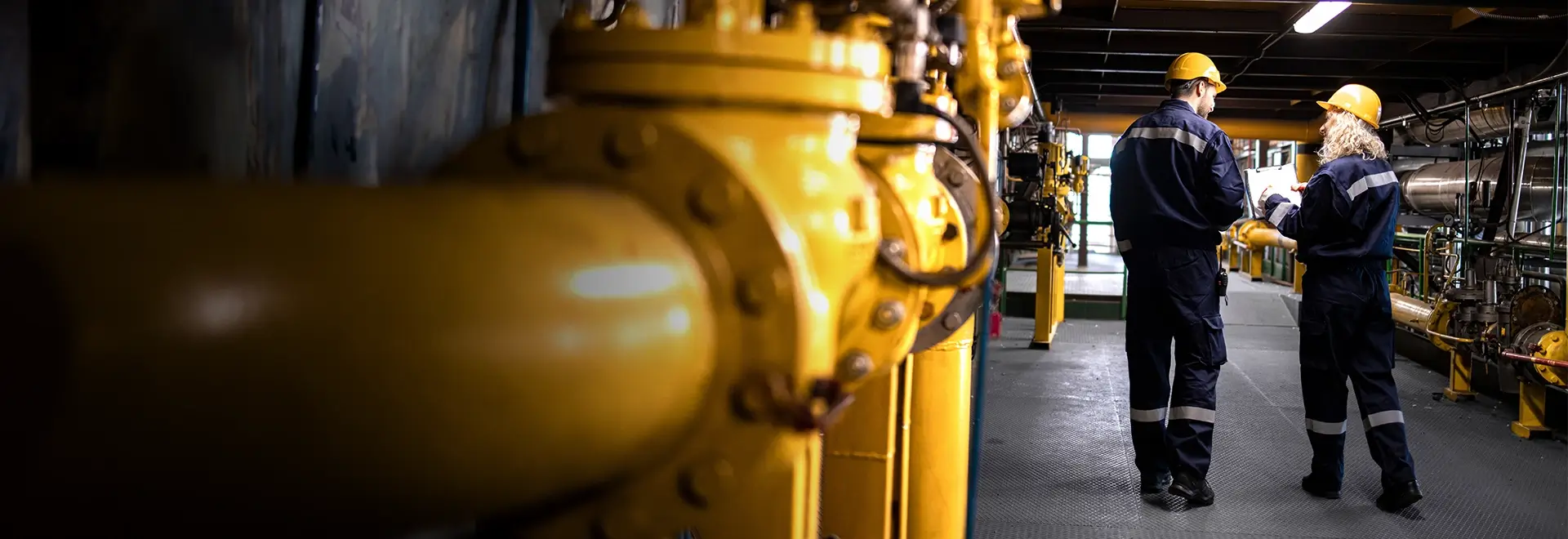
B. Tech. Mechanical Engineering (Renewable Energy and Storage Systems)
Program Details
The B.Tech Mechanical Engineering (Renewable Energy Systems and Storage) is a four-year undergraduate program that blends mechanical engineering fundamentals with specialisation in renewable energy technologies and advanced energy storage. It equips students to design, analyse and optimise clean energy systems across solar, wind, battery and hydrogen storage, alongside smart grids and sustainable mechanical systems. The program is designed to prepare graduates to innovate at the intersection of mechanical systems and future energy infrastructure—supporting decarbonisation, energy transition and net-zero goals. Academic learning is integrated with laboratory work, industry projects and capstone design, with a clear focus on renewable energy systems engineering and storage technologies.
Program Highlights
- Industry-aligned curriculum combining core mechanical engineering with renewable energy and advanced storage systems.
- Hands-on learning through access to state-of-the-art laboratories for energy systems, thermal systems, power electronics, batteries and energy storage research.
- Capstone projects and internships with energy companies, research institutions and start-ups.
- Interdisciplinary exposure through smart grids, energy management and sustainable design, integrating mechanical, electrical and policy perspectives.
- Global collaborations (where applicable) and industry-led mentorship, workshops and seminars.
Industry Trends & Career Opportunities
Renewables and storage are among the fastest-growing global sectors, driven by innovation and policy commitments to net-zero and electrification. Emerging technologies—next-generation photovoltaics, advanced wind systems, hydrogen fuel cells, grid-scale batteries and digital twins—are reshaping how energy is generated, stored and delivered. Mechanical engineers with energy systems capability are increasingly critical to building sustainable infrastructure, smart grids and energy management solutions.
Key trends include:
- Solar and wind expansion with integrated storage to improve grid stability.
- Battery system design and optimisation, including solid-state and flow batteries.
- Hydrogen integration and fuel cell applications in industry.
- Smart and flexible manufacturing systems enabling advanced energy technologies.
Typical roles include:
- Renewable energy systems engineer
- Energy storage specialist (battery/hydrogen)
- Mechanical design engineer
- Project engineer – solar/wind & storage (APAC/EU/global)
- Grid integration analyst
- Energy efficiency consultant
- Sustainability analyst
- R&D engineer – clean energy technologies
- Specialist roles in energy modelling, life cycle analysis and hybrid systems design
Placements
UPES has a strong placement record across its engineering programs, with 90%+ placement rates and participation from recruiters across energy, manufacturing, automotive, consulting and technology sectors. Top firms typically offer roles focused on design, analytics, project execution and technical leadership. Recent reports cited in your input indicate a highest package of over INR 50 LPA, with a majority of students placed at competitive salary packages.
Fee Structure
Click here for detailed Fee Structure.
Curriculum
The program is structured over 8 semesters combining core mechanical engineering subjects with renewable energy and storage specializations. Sample curriculum components include:
Semester 1
| Course Title | L | T | P | TC |
|---|---|---|---|---|
| Advanced Engineering Mathematics I | 3 | 1 | 0 | 4 |
| Physics | 3 | 1 | 1 | 5 |
| Programming for Engineers | 1 | 0 | 2 | 3 |
| Workshop Practices | 1 | 0 | 1 | 2 |
| Engineering Graphics | 1 | 0 | 1 | 2 |
| Managing Self | 2 | 0 | 0 | 2 |
| Environment Sustainability & Climate Change | 2 | 0 | 0 | 2 |
| Semester Credits | 20 | |||
Semester 2
| Course Title | L | T | P | TC |
|---|---|---|---|---|
| Chemistry | 3 | 0 | 0 | 3 |
| Advanced Engineering Mathematics II | 3 | 1 | 0 | 4 |
| Basic Electrical and Electronics Engineering | 3 | 0 | 1 | 4 |
| Design and Build Lab | 0 | 0 | 1 | 1 |
| Introduction to Mechanical Engineering | 3 | 0 | 0 | 3 |
| Engineering Mechanics | 3 | 0 | 0 | 3 |
| Time & Priority Management | 2 | 0 | 0 | 2 |
| Environment Sustainability & Climate Change (Living Lab) | 0 | 0 | 2 | 2 |
| Semester Credits | 22 | |||
Semester 3
| Course Title | L | T | P | TC |
|---|---|---|---|---|
| Material Science | 3 | 0 | 0 | 3 |
| Engineering Thermodynamics | 3 | 0 | 0 | 3 |
| Fluid Mechanics | 3 | 0 | 1 | 4 |
| Computational Methods | 3 | 0 | 1 | 4 |
| Social Internship | 0 | 0 | 0 | 0 |
| Exploratory 1 | 3 | 0 | 0 | 3 |
| Communication skills (Oral) | 2 | 0 | 0 | 2 |
| Semester Credits | 19 | |||
Semester 4
| Course Title | L | T | P | TC |
|---|---|---|---|---|
| Heat Transfer | 3 | 0 | 1 | 4 |
| Mechanics of Materials | 3 | 0 | 1 | 4 |
| Manufacturing Processes | 3 | 0 | 0 | 3 |
| Fluid Machinery | 2 | 0 | 0 | 2 |
| Probability and Statistics | 3 | 0 | 0 | 3 |
| Communication Skills (Written) | 2 | 0 | 0 | 2 |
| EDGE-SoftSkills | 0 | |||
| Exploratory 2 | 3 | 0 | 0 | 3 |
| Semester Credits | 21 | |||
Semester 5
| Course Title | L | T | P | TC |
|---|---|---|---|---|
| Theory of Machines | 3 | 0 | 1 | 4 |
| Machine Design | 3 | 0 | 0 | 3 |
| CAD/CAM | 3 | 0 | 0 | 3 |
| Specialization I | 3 | 0 | 0 | 3 |
| Capstone I | 0 | 0 | 0 | 2 |
| Working with People | 2 | 0 | 0 | 2 |
| Technologies of the Future | 2 | 0 | 0 | 2 |
| EDGE – Advance Communication | 0 | |||
| Exploratory 3 | 3 | 0 | 0 | 3 |
| Government Internship | 0 | 0 | 0 | 0 |
| Semester Credits | 22 | |||
Semester 6
| Course Title | L | T | P | TC |
|---|---|---|---|---|
| Internal Combustion Engine and Hybridization | 2 | 0 | 1 | 3 |
| Mechanical Vibration | 3 | 0 | 1 | 4 |
| Mechanical Measurement and Metrology | 2 | 0 | 0 | 2 |
| Capstone II | 0 | 0 | 2 | 2 |
| Industrial Visit | 0 | |||
| Specialization-II | 3 | 0 | 0 | 3 |
| Specialization-III | 3 | 0 | 0 | 3 |
| Deepening Self | 2 | 0 | 0 | 2 |
| EDGE – Advanced Communication II | 0 | |||
| Exploratory 4 | 3 | 0 | 0 | 3 |
| Semester Credits | 22 | |||
Semester 7
| Course Title | L | T | P | TC |
|---|---|---|---|---|
| Smart Manufacturing | 3 | 0 | 0 | 3 |
| Automobile Engineering | 2 | 0 | 0 | 2 |
| Refrigeration & Air-conditioning | 3 | 0 | 1 | 4 |
| Industrial Engineering and Management | 3 | 0 | 0 | 3 |
| Industrial Internship | 0 | 0 | 1 | 1 |
| Exploratory 5 | 3 | 0 | 0 | 3 |
| Project I | 0 | 0 | 2 | 2 |
| Specialization-IV | 3 | 0 | 0 | 3 |
| Total Credit | 21 | |||
Semester 8
| Course Title | L | T | P | TC |
|---|---|---|---|---|
| Operational Research | 2 | 0 | 0 | 2 |
| Computational Mechanics | 2 | 0 | 1 | 3 |
| Artificial Intelligence & Machine Learning | 3 | 0 | 0 | 3 |
| Project 2 | 0 | 0 | 0 | 4 |
| Exploratory 6 | 3 | 0 | 0 | 3 |
| Specialization-V | 3 | 0 | 0 | 3 |
| Semester Credits | 18 | |||
Specialization ( Renewable Energy Systems and Storage)
The student must complete a minimum of 15 credits in the chosen area of specialization. List of elective courses in specialization tracks
| Renewable Energy Systems and Storage | ||||
|---|---|---|---|---|
| Renewable Energy Technologies | 3 | 0 | 0 | 3 |
| Energy Economics, Policy and Regulation | 3 | 0 | 0 | 3 |
| Energy Storage Systems | 3 | 0 | 0 | 3 |
| Elective I | 3 | 0 | 0 | 3 |
| Elective II | 3 | 0 | 0 | 3 |
| Elective I basket | ||||
| Biomass and Green Energy | 3 | 0 | 0 | 3 |
| Solar Thermal Technology | 3 | 0 | 0 | 3 |
| Small Hydro Energy Systems | 3 | 0 | 0 | 3 |
| Energy Efficiency in Buildings | 3 | 0 | 0 | 3 |
| Elective II basket | ||||
| Next Generation Hydrogen | 3 | 0 | 0 | 3 |
| Advanced Solar Photovoltaics | 3 | 0 | 0 | 3 |
| Wind Energy Systems | 3 | 0 | 0 | 3 |
| Battery Management System | 3 | 0 | 0 | 3 |
(A detailed curriculum pdf/semester-wise list should be linked here from the official UPES curriculum page.)
Eligibility
Students who wish to apply must satisfy the predetermined minimum eligibility requirements for the B.Tech. Mechanical Engineering – Renewable Energy & Storage Systems: Minimum 50% marks in Classes X and XII. with 50% in PCM (Physics/Chemistry and Mathematics) in Class XII.
Selection Criteria
The selection criteria for individuals aspiring to pursue B. Tech. Mechanical Engineering at UPES are determined by their individual performance in UPESEAT / JEE Mains / Board Merit / SAT / CUET.
Minors
To opt the minors, please choose the minors from the bucket. Click here to know more.