Nanotechnology Engineering in India: Courses, Scope & Trends
- UPES Editorial Team
- Published 25/10/2025


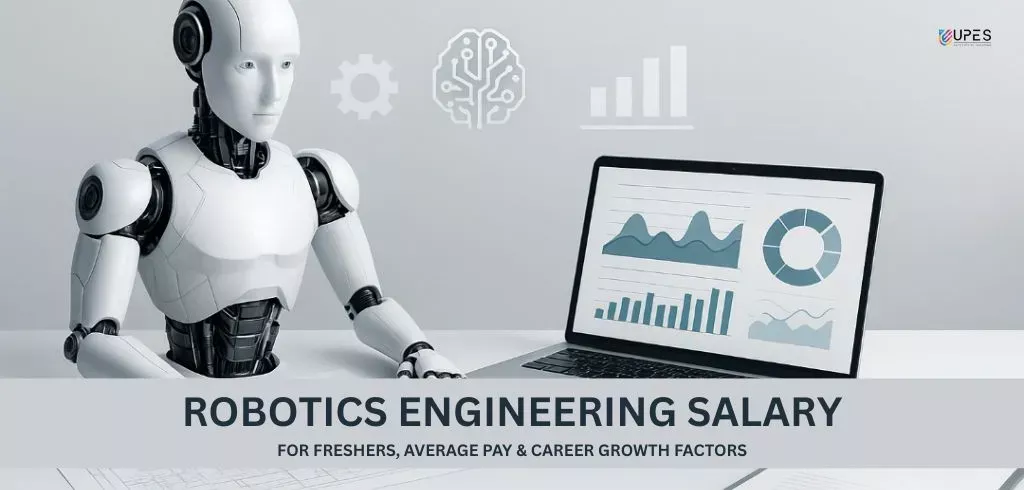
As automation, AI, and Industry 4.0 reshape the global economy, Robotics Engineering has evolved into one of the most rewarding and future-ready career paths for engineers. From self-driving cars and industrial robots to healthcare automation and space exploration, robotics engineers are at the heart of technological transformation.
In India, the field is rapidly growing, and the robotics market is projected to reach USD 7.5 billion by 2030, driven by demand across manufacturing, healthcare, and defence. With this growth comes a crucial question for aspiring engineers: What is the robotics engineering salary, especially for freshers and experienced professionals in India?
This blog breaks down the average salary, key factors, required skills, and industry insights, helping you understand what to expect in a career that’s building the future.
Become future-ready with our Advanced Engineering programs
Know MoreRobotics Engineering Salary Per Month
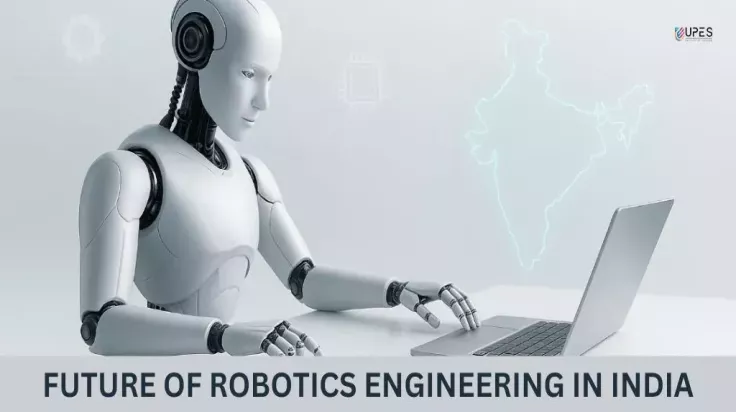
The future of robotics in India is bright, with applications spanning agriculture, logistics, defence, and even domestic assistance. Students entering this space today will be part of a rapidly expanding ecosystem.
The average monthly salary for robotics engineers in India varies based on experience, company, and expertise:
| Experience Level | Average Monthly Salary (₹) | Equivalent Annual Salary (₹) |
Entry-Level / Freshers | ₹35,000 – ₹60,000 | ₹4 – 7 lakhs |
Mid-Level Engineers | ₹75,000 – ₹1,20,000 | ₹9 – 14 lakhs |
Senior Engineers / Project Leads | ₹1,50,000 – ₹3,00,000+ | ₹18 – 36 lakh+ |
Top-paying cities:
- Bengaluru – ₹9–15 LPA
- Pune – ₹8–12 LPA
- Hyderabad – ₹7–11 LPA
- Chennai / Delhi NCR – ₹6–10 LPA
- Source: Naukri, Glassdoor
Salaries in Tier-1 cities are typically 25–30% higher due to demand for automation expertise in manufacturing, R&D, and AI integration.
Robotics Engineering Salary in India
The average robotics engineering salary in India is around ₹6.8 lakh per annum, according to Glassdoor and AmbitionBox.
Industry-wise salary range:
| Industry | Average Annual Salary (₹) |
Manufacturing & Automation | ₹5 – 8 lakh |
Defense & Aerospace | ₹9 – 15 lakh |
Healthcare Robotics | ₹8 – 12 lakh |
IT & AI-driven Robotics | ₹10 – 18 lakh |
Research & Development | ₹7 – 14 lakh |
Source: PayScale, Naukri, Glassdoor | |
Engineers working in AI-powered robotics, industrial automation, or R&D labs like ISRO and DRDO command some of the highest salaries in the country.
Robotics Engineering Salary for Freshers
For newcomers, the robotics engineering salary for freshers ranges between ₹4–6 lakh per year, depending on educational background and technical exposure.
Freshers with hands-on experience in:
- Embedded Systems
- Python, C++, or MATLAB
- Robot Operating System (ROS)
- AI, Machine Vision, and Control Systems
often secure higher packages. Employers value practical project experience such as designing robotic arms, building autonomous vehicles, or working with microcontrollers.
Tip: Students who intern in automation or AI-focused firms during college often earn 15–20% higher starting salaries.
Key Skills and Tools That Influence Salary
Employers prefer robotics engineers who combine hardware expertise with software proficiency.
Top in-demand skills include:
- Programming: Python, C++, MATLAB
- Robotics Platforms: ROS, V-REP, Arduino, Raspberry Pi
- Design Tools: SolidWorks, AutoCAD, CATIA
- Machine Learning & AI Integration
- Industrial Control Systems: PLC, SCADA
- Sensors and IoT Devices
Soft skills such as problem-solving, teamwork, and adaptability also play a crucial role in career growth and promotions.
Factors Affecting Robotics Engineering Salary
Your salary as a Robotics engineer is dependent on several factors. Many are listed below. Have a look:
- Educational Background: Graduates from reputed universities or those with a Mechatronics specialization tend to earn more.
- Experience Level: Engineers with 3–5 years’ experience in automation can see a 50–70% salary jump.
- Industry Segment: Defence, aerospace, and AI-robotics firms pay significantly higher than basic manufacturing.
- Location: Salaries in metros like Bengaluru and Pune are 25–40% higher than in smaller cities.
- Certifications: Courses in AI, data analytics, and automation tools can enhance employability.
Global Robotics Engineer Salaries
Mechanical engineer salary for those specialised in robotics differs as per location. Those interested in knowing the salary range of Robotics engineer abroad can refer to the table listed below:
| Country | Average Annual Salary (INR Equivalent) |
United States | ₹80 – 95 lakhs |
Germany | ₹65 – 75 lakhs |
Japan | ₹60 – 70 lakhs |
United Kingdom | ₹55 – 65 lakhs |
Source: PayScale, Naukri, Glassdoor | |
Fact: The U.S. Bureau of Labor Statistics projects a 25% growth rate for robotics-related jobs by 2030, nearly double the average for other engineering roles.
Career Paths and Related Fields
Robotics Engineering offers multiple career trajectories:
- Automation Engineer
- Control Systems Engineer
- Mechatronics Engineer
- R&D Engineer
- AI Robotics Specialist
- Product Design & Development Engineer
Alternative but related domains:
- Artificial Intelligence Engineering
- Machine Learning
- Industrial IoT
- Data-driven Manufacturing
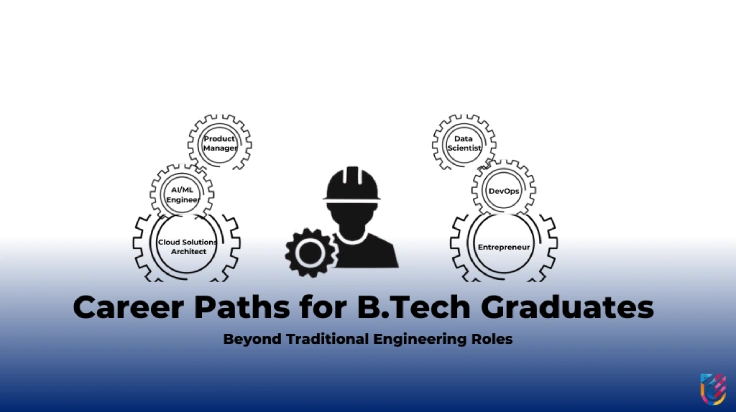
Professionals can also transition into Project Management or Technical Consultancy roles with 5–7 years of experience.
How to Start a Career in Robotics Engineering
Students interested in robotics can begin their journey through a B.Tech in Mechanical Engineering (Mechatronics), a multidisciplinary course combining mechanics, electronics, computer programming, and control systems.
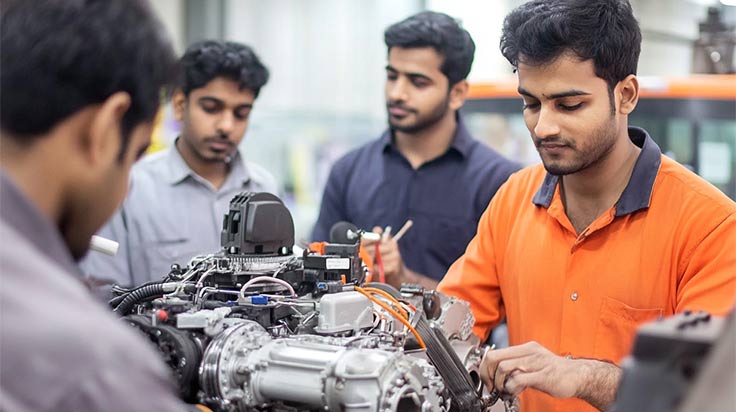
The program develops hands-on skills in automation, sensor integration, and intelligent systems design, all critical for modern robotics roles.
Graduates from this program are equipped to work across automotive, defence, and tech-driven industries, with strong starting salaries and global mobility.

Our counsellors are just a click away.
Closing Thoughts
The field of robotics engineering is redefining what’s possible in automation and AI. While the average robotics engineering salary in India stands at around ₹6–8 lakh, skilled professionals can quickly scale to ₹20 lakh+ with specialization and project experience.
For students aspiring to build a career at the intersection of mechanical design, electronics, and intelligent systems, pursuing a B.Tech Mechanical Engineering (Mechatronics) offers the perfect launchpad. It blends theory with real-world applications, preparing graduates to lead innovation in tomorrow’s automated world.
FAQs on Robotics Engineering Salary
1. Is Robotics Engineering a high-paying career?
- Yes, robotics is one of the most lucrative fields within mechanical and electronics engineering. Experienced professionals can earn over ₹25 lakh annually in AI-integrated industries.
2. Which city pays the highest salary to robotics engineers in India?
- Bengaluru offers the highest salaries, followed by Pune, Hyderabad, and Chennai, due to the presence of major automation and tech firms.
3. What is the average salary abroad for robotics engineers?
- Globally, robotics engineers earn between ₹55 lakh and ₹95 lakh annually, depending on country and specialization.
4. Can freshers get good salaries in robotics?
- Yes, freshers with practical experience in programming, sensors, and robot design can start at ₹5–6 lakh per annum, especially in tech-based firms.
5. What is the future scope of robotics engineering?
- With industries embracing automation, demand for robotics engineers is projected to grow by 25–30% in the next five years creating roles across AI, manufacturing, and smart systems.

UPES Editorial Team
Written by the UPES Editorial Team
UPES Admission Enquiry
Trending Post
-

Career Opportunities in Space Technology & Satellite Engineering for Students
26/10/2025By UPES Editorial Team
-

-


Related Articles


















































Subscribe to UPES Blogs
Join our community for exclusive stories, insights, and updates
By clicking the "Subscribe" button, I agree and accept the privacy policy of UPES.


